Welcome to JIECHENG



Leave Your Message
Welcome to JIECHENG
As homeowners increasingly seek cost-effective ways to reduce energy consumption, optimizing energy efficiency has become more essential than ever. One effective method gaining attention is the use of Silica Insulation, known for its superior thermal resistance and low thermal conductivity. According to a report by the Department of Energy, households can save up to 30%on heating and cooling costs by employing advanced Insulation Materials like silica. Jiangxi Jiecheng New Materials Co., Ltd., specializing in the production and development of high-temperature insulation products, including detachable thermal insulation sleeves and boards, offers innovative solutions tailored to meet these energy efficiency demands. By strategically incorporatingSilica Insulation into your home, you not only enhance comfort but also contribute to a sustainable future while significantly reducing energy expenses.
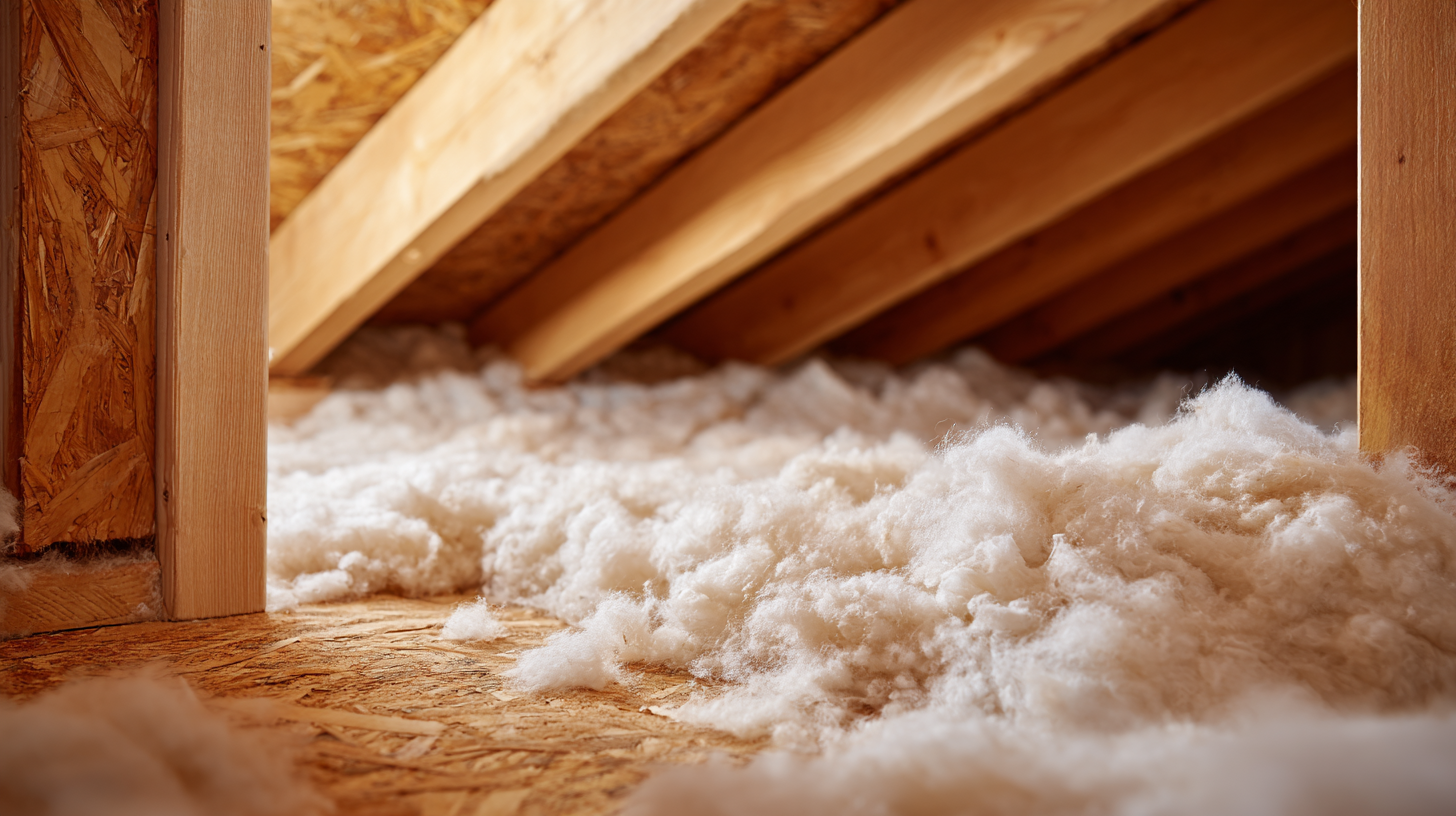
Silica insulation has emerged as a highly effective solution for homeowners seeking to enhance energy efficiency. According to a report by the U.S. Department of Energy, buildings account for roughly 40% of total U.S. energy consumption, emphasizing the need for superior insulation methods. Silica, being one of the most abundant materials in the Earth’s crust, offers excellent thermal resistance, making it an ideal choice for reducing heat transfer. This property can lead to significant energy savings, with studies revealing potential reductions in heating and cooling costs by up to 30% when silica insulation is properly installed.
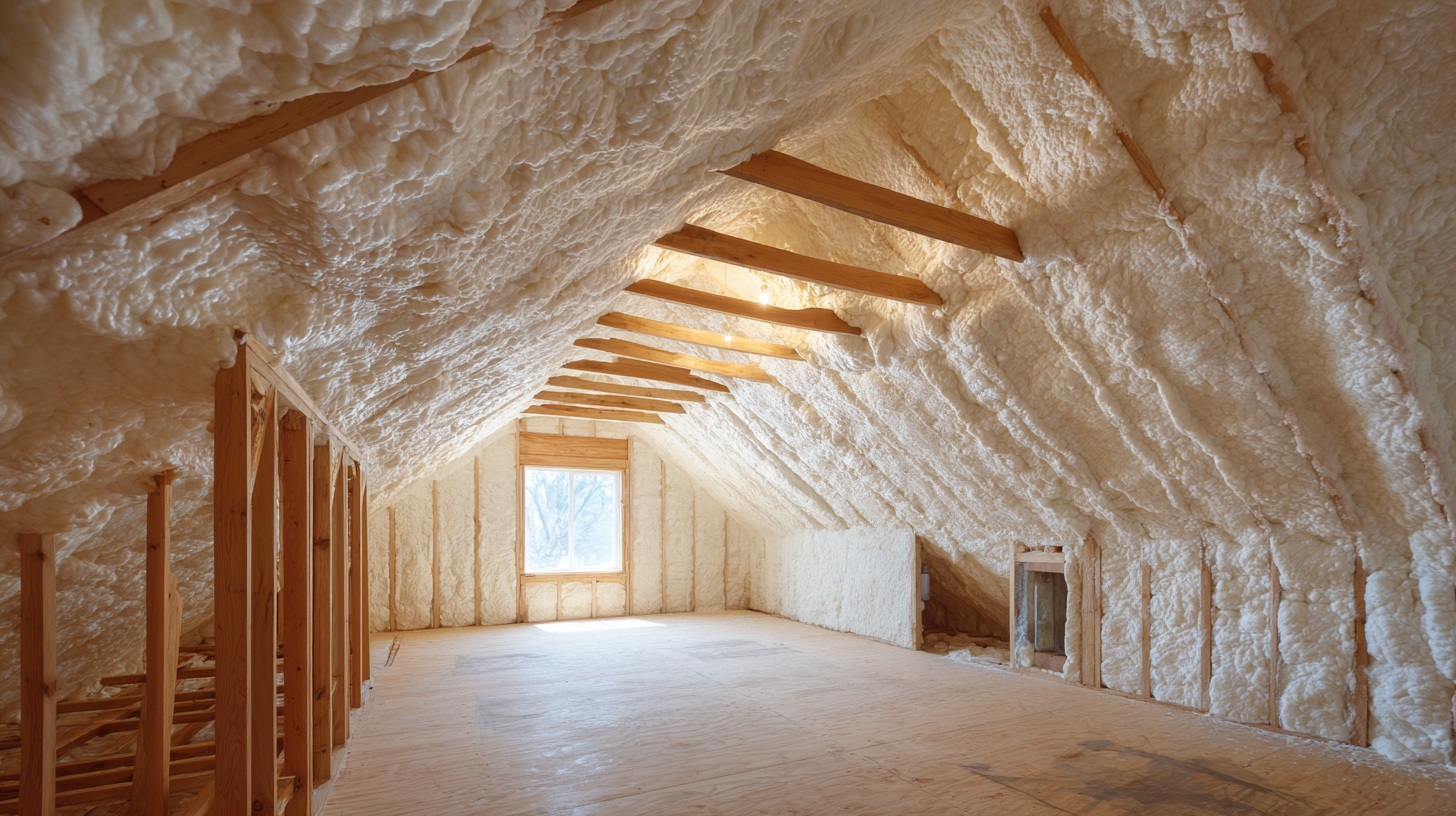
Moreover, silica insulation not only contributes to lower energy bills but also provides a more comfortable living environment. The material's structure promotes moisture regulation, preventing mold growth and enhancing indoor air quality. According to a study published by the Insulation Contractors Association of America, the implementation of high-performance insulation like silica can result in improved thermal comfort levels by maintaining consistent temperatures throughout the seasons. This dual benefit of energy efficiency and comfort positions silica insulation as a sustainable choice for modern homes, supporting both environmental goals and homeowner well-being.
When it comes to optimizing energy efficiency in your home, identifying the right areas for silica insulation installation is crucial. Insulation typically targets the spots where heat loss is highest. According to current insights, around a third of heat can be lost through uninsulated walls, making them a prime candidate for insulation upgrades. By focusing on wall insulation, homeowners can significantly enhance their home's thermal performance, especially during winter months.
Besides walls, another essential area for insulation is the attic. Upgrading attic insulation not only helps retain heat but can also increase the overall value of your home. Recent market trends show that modern attic insulation solutions can yield a strong return on investment, making it a wise choice for both energy savings and potential resale benefits. It's also important to remember that not all spaces in a home should be insulated; improper installation can lead to moisture issues or other damage. Therefore, it's always best to consult with experts to ensure silica insulation is applied effectively in the most beneficial areas.
Silica insulation is an excellent choice for enhancing energy efficiency in your home. To begin the installation process, it’s important to identify key spaces that require insulation, such as attics, basements, and exterior walls. Measure the area to determine how much silica insulation material you will need, ensuring you purchase enough for complete coverage.
Before installation, ensure the surfaces are clean and dry to promote adherence. Begin by cutting the silica insulation to fit snugly into the spaces you've measured. For a secure fit, use an adhesive that works well with silica materials. When installing in attics or walls, be cautious about layering the insulation to maximize thermal performance.
Tips: Always wear protective gear when handling silica insulation to prevent irritation to your skin or lungs. Additionally, consider using a vapor barrier if you’re insulating in moisture-prone areas to prevent condensation buildup. Lastly, sealing any gaps or cracks in your home before installation can significantly boost your energy efficiency gains.
When it comes to insulation materials, silica insulation stands out for its unique properties and benefits compared to traditional options like fiberglass and foam. Silica insulation is known for its high thermal resistance and ability to maintain consistent temperatures within the home, thus providing superior energy efficiency. Unlike fiberglass, which can settle over time and lose its insulating capacity, silica maintains its integrity, ensuring long-term performance.
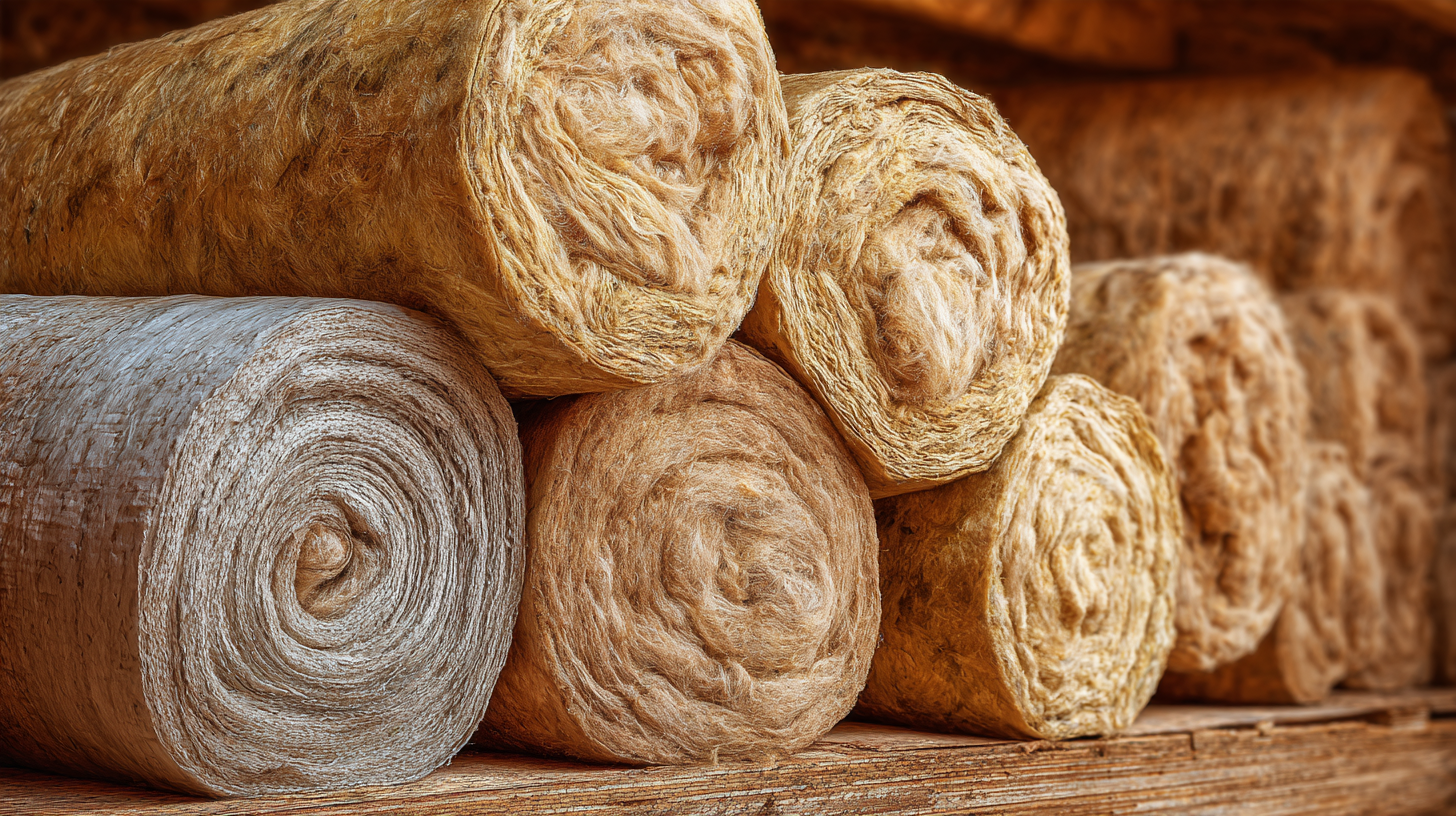
Furthermore, silica insulation proves to be more environmentally friendly than many alternatives. While foam insulation can release harmful chemicals during installation and has lower recyclability, silica is largely composed of natural materials and is less toxic, making it a safer choice for both homeowners and the environment. This comparison highlights the importance of selecting insulation not just based on immediate costs but also on the long-term benefits they provide in terms of energy efficiency, sustainability, and overall comfort within the home.
Silica insulation is increasingly recognized for its outstanding energy efficiency in residential applications. To maintain and enhance its performance, regular inspections should be scheduled to check for any signs of wear or settling. According to a report by the U.S. Department of Energy, properly installed and maintained insulation can reduce heating and cooling costs by about 30%. This highlights the importance of ensuring that silica insulation remains intact and effective throughout its lifecycle.
Moreover, ensuring optimal moisture management is crucial for silica insulation's performance. Silica has excellent moisture resistance, but when exposed to prolonged damp conditions, its effectiveness can diminish. The International Energy Agency (IEA) suggests using vapor barriers in conjunction with silica insulation, especially in areas prone to humidity, to prolong its efficiency. Regular maintenance, such as cleaning dust and debris that may accumulate over time, further helps in retaining its insulating properties, allowing homeowners to maximize their energy savings while contributing to environmental sustainability.
Investing in silica insulation can significantly enhance the energy efficiency of homes, while also unlocking various financial incentives designed to promote such improvements. Many local governments and utility companies offer rebates and tax credits for homeowners who opt for energy-efficient materials and technologies, including silica insulation. These incentives can offset the initial costs, making it more financially viable for homeowners to upgrade their insulation, which in turn leads to reduced energy consumption and lower utility bills.
Additionally, the broader context of energy efficiency is reflected in the growth of markets surrounding efficient technologies. For example, the global energy-efficient motor market is projected to rise from $51.65 billion in 2024 to $84.72 billion in the following years. The trend underscores a growing recognition of the importance of sustainable practices, with homeowners increasingly looking to innovative materials, like silica, to achieve their energy-saving goals. By leveraging available financial incentives, individuals can not only contribute to environmental sustainability but also enjoy long-term savings through reduced energy costs in their day-to-day lives.
| Efficiency Measure | Estimated Cost ($) | Annual Savings ($) | Payback Period (Years) | Incentive Programs |
|---|---|---|---|---|
| Silica Insulation Installation | 2,500 | 600 | 4.17 | Federal Tax Credit, Local Rebates |
| Energy Audit | 300 | 200 | 1.5 | State Energy Efficiency Grants |
| Window Replacement | 10,000 | 800 | 12.5 | Energy Star Rebates |
| HVAC System Upgrade | 15,000 | 1,200 | 12.5 | Manufacturer Rebates, Local Incentives |
| Smart Thermostat Installation | 250 | 100 | 2.5 | Utility Company Discounts |
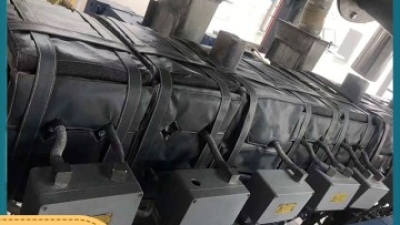
Industrial thermal insulation blankets have become essential in enhancing energy efficiency across various sectors. By effectively managing heat loss and maintaining stable temperatures, these blankets significantly contribute to sustainable energy practices. According to industry reports, the strategic use of high-performance insulation solutions can reduce energy consumption by up to 30%, translating into substantial cost savings for businesses.
Our industrial thermal insulation blankets boast a remarkable temperature range of -70°C to 1000°C, making them suitable for a variety of applications. With a thermal conductivity of less than 0.035 W/(m·k) at normal temperatures, these blankets ensure minimal thermal bridging, leading to improved energy efficiency. The use of these materials, which have a density of 100-200 kg/m3 and a thickness of 35mm-50mm, allows them to withstand challenging environmental conditions while providing excellent insulation properties.
Moreover, our blankets are designed with optimal flame retardant performance, receiving an A grade non-flammable rating, which enhances safety in industrial settings. They also exhibit exceptional anti-corrosion properties, resisting acids, alkalis, water, and oils, ensuring longevity and durability with a lifetime exceeding 10 years. This combination of features not only boosts energy efficiency but also provides long-term operational reliability.
: Silica insulation is a highly effective material used to improve energy efficiency in homes. It offers excellent thermal resistance, reducing heat transfer and potentially lowering heating and cooling costs by up to 30% when properly installed.
Silica insulation regulates moisture and prevents mold growth, enhancing indoor air quality. It also helps maintain consistent temperatures throughout the seasons, improving overall thermal comfort in the home.
Key areas for silica insulation installation include attics, basements, and exterior walls, as these spaces commonly require enhanced thermal resistance to improve energy efficiency.
Before installation, it’s important to ensure that all surfaces are clean and dry. Measuring the area accurately and cutting the insulation to fit snugly is also essential for effective installation.
Yes, wearing protective gear is recommended when handling silica insulation to prevent irritation to the skin or lungs.
Regular inspections should be conducted to check for wear or settling. Homeowners should also manage moisture levels, use vapor barriers in humidity-prone areas, and keep the insulation clean from dust and debris to maintain its effectiveness.
While silica insulation has excellent moisture resistance, prolonged exposure to damp conditions can reduce its effectiveness. Proper moisture management, including the use of vapor barriers, is crucial for maintaining insulation performance.
Sealing any gaps or cracks in a home prior to installation of silica insulation can significantly enhance energy efficiency by preventing air leaks and ensuring optimized insulation performance.
By contributing to lower energy consumption and promoting a comfortable living environment, silica insulation supports both environmental goals and homeowner well-being, making it a sustainable choice for modern homes.
According to the U.S. Department of Energy, properly installed and maintained insulation can lower heating and cooling costs by about 30%, making it a valuable investment for homeowners.
Silica insulation is an increasingly popular solution for enhancing energy efficiency in homes, offering numerous benefits such as superior thermal resistance and durability. Understanding these advantages, homeowners can identify key areas for installation, including attics, walls, and basements, where silica insulation can significantly reduce energy consumption. The step-by-step installation guide ensures that even those new to home improvement can effectively apply this material.
Moreover, when comparing silica insulation to other insulation materials, it stands out for its ability to withstand high temperatures while maintaining performance. Maintenance tips can help homeowners maximize the longevity and efficiency of their insulation. Finally, exploring financial incentives for energy efficiency improvements can lead to cost savings, making silica insulation an attractive option for those looking to enhance their home’s energy profile while supporting companies like Jiangxi Jiecheng New Materials Co., Ltd., a leader in high-temperature insulation products.